
I’m going to let you in on a little secret: for years, I treated my body like a dependable old car—I just assumed it would keep running perfectly until it literally broke down. I’d push through headaches, dismiss “bad moods” as just being busy, and ignore those little aches and pains that seemed to crop up around the same time every month. Sound familiar?
I remember one particularly rough week last winter. My to-do list was a mile long, my energy was in the basement, and I was convinced I was just failing at adulting. I snapped at my partner over something trivial, then immediately burst into tears. It wasn’t until I had a brutally honest conversation with a friend (who confessed she was feeling the exact same way) that I realized: these issues aren’t character flaws; they are health problems. They’re signals our bodies are sending, and as women, we often dismiss them as just part of the deal.

We carry a unique load—hormonal shifts, the emotional labor of life, the constant pressure to do it all. This isn’t about blaming anyone; it’s about acknowledging the reality of our biology and our lives. My journey to feeling genuinely well wasn’t about finding a magic pill; it was about shifting my mindset from enduring to empowering. I stopped viewing my period as an annoyance and started viewing it as a monthly diagnostic tool. I stopped celebrating burnout as a badge of honor and started prioritizing rest.
Ready to shift from feeling perpetually “fine” to actually feeling great? Let’s dive into three major areas where women often struggle and, more importantly, the simple, actionable solutions that changed my life.
1. The Hormonal Rollercoaster: Navigating the Monthly Tides
Have you ever wondered why you can feel like a superhero one week and an emotional puddle the next? Welcome to the dance of your hormones. Our cycles are incredible, complex systems, but the fluctuating levels of estrogen and progesterone can create a host of problems, from pre-menstrual syndrome (PMS) to energy crashes.

The Problem: PMS, Fatigue, and Mood Swings
For years, I just accepted that the week before my period meant anxiety, terrible sleep, and a craving for everything salty and sweet. I figured it was just bad luck. One month, I was completely overwhelmed by my workload, and it hit me: if I can manage a massive professional project, I can certainly manage my internal chemistry.
My Personal Win: I started charting my cycle. Not just tracking my period, but tracking my mood, energy, and sleep every day. This helped me stop being reactive to my mood swings and start being proactive. Now, I know when to schedule light days.
Actionable Solutions: Diet and Cycle Syncing
A. Nutritional Anchors
Many of the solutions to hormonal imbalances lie in what we eat, as certain nutrients help our bodies process hormones effectively.2
- Boost Magnesium: This mineral is a wonder for reducing cramps and calming the nervous system How I do it: I make sure to eat lots of dark leafy greens (spinach, kale) and nuts and seeds (especially pumpkin seeds). Around Day 20 of my cycle, I sometimes take a magnesium supplement before bed—it helps me sleep like a baby.
- Embrace Fiber: Fiber is essential for helping the body eliminate excess estrogen, which can contribute to heavy periods and moodiness. How I do it: I swapped my regular bread for whole-grain options and started adding chia seeds to my morning oatmeal. It keeps things moving and keeps my hormones happier!
B. The Power of Cycle Syncing
This means adjusting your activities and diet to match the four phases of your cycle (Menstrual, Follicular, Ovulatory, Luteal).
| Cycle Phase | Energy Level | What I Do | Bonus Insight |
| Follicular (Post-Period) | Rising! | Schedule big meetings, try new, difficult workouts, start creative projects. | Your brain chemistry is optimized for learning and communication! |
| Luteal (Pre-Period) | Decreasing | Shift to gentle movement (yoga, walking), focus on routine tasks, prioritize alone time. | Try This Hack: Switch from high-intensity workouts to long, calming walks to reduce cortisol (stress hormone). |
We’ve talked about a few foundational steps, but maybe you’re realizing your body needs a complete, guided journey to truly reset. If you’re ready to stop guessing and start supporting your whole system—from sleep to skin to hormones—I’ve created something just for you.
Introducing: Women’s Health Problems and Real-Life Solutions.
This complete guide gathers all my gentle, holistic wisdom into one simple place. It’s the thoughtful big sister chat you need to finally restore your energy, manage stress, and find that feeling of steady, centered confidence.
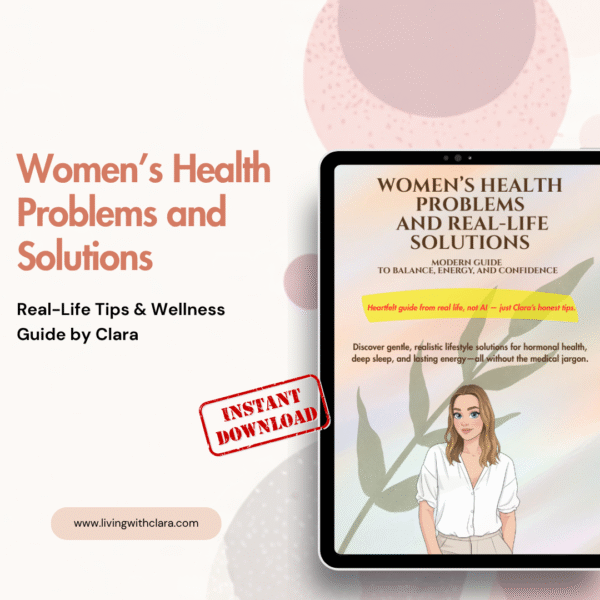
Women’s Health Problems and Solutions – Real-Life Tips & Wellness Guide
Tired of pushing through? This is the gentle, holistic roadmap you need to finally restore your natural balance.
Stop guessing and start supporting your body. Inside this empowering guide, you will find realistic solutions for hormonal swings, persistent fatigue, stress management, and finding lasting energy—all written in a warm, non-medical tone. It’s time to live with more clarity, confidence, and peace.
2. The Invisible Weight: Managing Chronic Stress and Burnout
The constant hum of modern life—work, family, social obligations, the endless mental load—is a massive drain on women’s health. We are often the managers of everyone else’s schedule, leaving us running on fumes. Chronic stress elevates our cortisol, which can lead to sleep problems, weight gain, and even an impaired immune system.
The Problem: The ‘Always On’ Mentality
I used to measure my worth by how busy I was. If my calendar wasn’t packed, I felt unproductive. This led to a spiral of constant low-level anxiety that I barely noticed until my hair started falling out in clumps! That was my body screaming for a time-out.
Relatable Journey: A friend challenged me to schedule “white space” in my calendar—literal blank hours where I was not allowed to do anything productive. The first time, I panicked and reorganized my sock drawer. But over time, I learned to just sit, sip my tea, and breathe. It was a game-changer.
Actionable Solutions: Boundaries and Brain Breaks
A. Creating Real Boundaries
- The Power of “No”: This is the hardest word to use, but the most powerful for your well-being. Start small. Instead of agreeing to a third committee, say, “I can’t commit to that right now, but thank you for thinking of me.”
- Digital Detox: Set “Tech Curfews.” My phone goes into a charging station downstairs at 8:30 PM, no exceptions. Sensory Descriptions: That last hour of the night is spent reading a real book with paper pages and a cup of calming chamomile tea—the difference in the feel of my evenings is incredible.
B. Low-Fuss Stress Relief
- The 5-Minute Reset: When you feel that knot forming in your stomach, take five minutes to do a simple breath exercise. Inhale for a count of four, hold for four, exhale for six. That longer exhale signals to your nervous system that you are safe.
- Find Your Sensory Escape: I found mine at the local park. Ten minutes of walking among the rustling leaves and smelling the damp earth is better than an hour of doom-scrolling. Did You Know? Spending time in nature lowers the concentration of the stress hormone cortisol in your body!
3. The Unspoken Core: Prioritizing Pelvic Floor Health
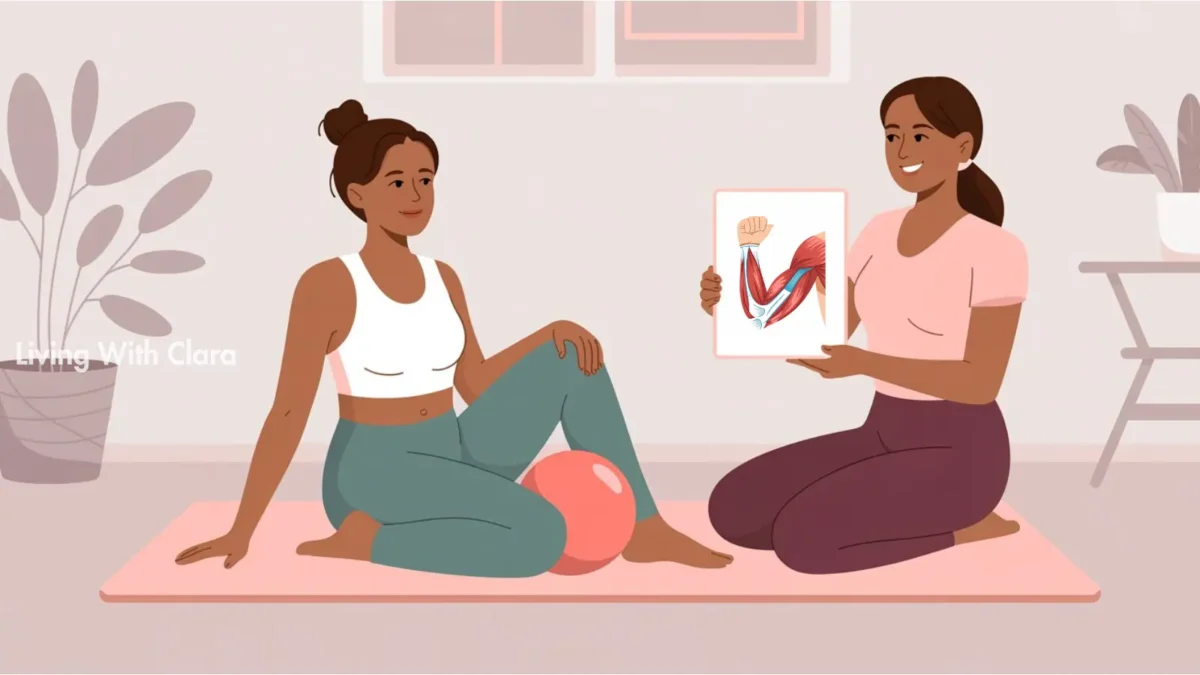
This is the topic most women avoid talking about, but it impacts almost every one of us, especially after having children or as we age. The pelvic floor is a group of muscles at the base of your pelvis that supports your bladder, uterus, and bowels. When it’s weak or too tight, it can cause problems like leaks when you laugh, or lower back pain.
The Problem: Leaks, Pain, and Posture
I thought that having a few little leaks after childbirth was just something I had to accept. I told myself, “It’s just mom life.” This is a huge lie! It’s a sign that the essential foundation of your core is not functioning optimally.
Ask Yourself: Have you ever tried to sneeze and had to cross your legs? If yes, it’s time to talk about these muscles!
Actionable Solutions: Gentle Movement and Targeted Care
A. Beyond the Kegel: Deep Core Connection
Classic Kegels are often done incorrectly or aren’t enough. We need to focus on a full, coordinated breath.
- The ‘Elevator’ Technique: Instead of just squeezing, visualize your pelvic floor as an elevator. Inhale and let the elevator drop (relax the muscles). Exhale and gently pull the elevator up to the third floor (a light, sustained contraction). Release slowly. Do this 10 times, three times a day.
B. Posture Check and Movement
- Standing Tall: When you’re standing, check your posture. Are you tucking your pelvis under or letting your belly “hang”? A neutral pelvis allows your core and pelvic floor muscles to work together efficiently.
- Affordable Option: You don’t need a fancy gym membership. Simple bridges or cat-cow stretches from yoga can help mobilize and strengthen the core and pelvic area without putting too much strain on the muscles.
Wrapping Up: Giving Yourself Permission
The biggest solution to women’s health problems isn’t a single diet or a new supplement; it’s giving yourself permission to put yourself first. It means being kind and curious about the messages your body is sending you, rather than being frustrated with them. You are allowed to take up space, you are allowed to rest, and you are absolutely allowed to feel vibrant and well.
So, this week, what is one small health boundary you can set for yourself? Maybe it’s a 10-minute quiet break, or maybe it’s swapping a less-nutritious snack for a magnesium-rich handful of almonds.
I’d love to hear what part of your well-being journey you’re focusing on right now. Share your own tips or questions in the comments below—we’re all in this together!
Happy self-care!









2 Comments