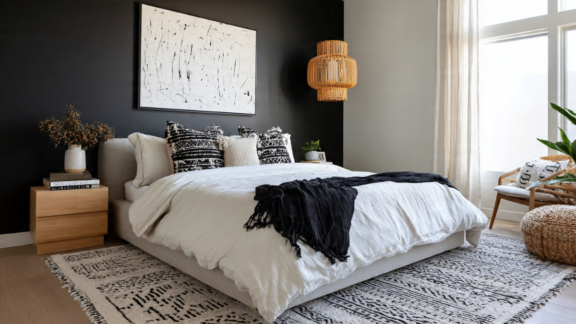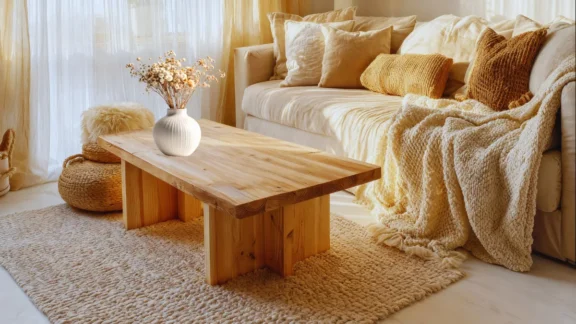
There was a moment last winter when I stood in the middle of our living room holding a decorative tray I’d just bought — neutral, textured, very “Pinterest-approved” — and realized I had absolutely nowhere to put it. Every surface was already crowded. Books stacked on side tables. Extra throws draped over chairs. A basket that held… honestly, I wasn’t even sure anymore.
That’s when it clicked: my living room wasn’t messy, it was just tired. Too many good ideas competing for space.
Minimalism, for me, didn’t begin with getting rid of everything. It began with paying attention to what made the room feel calm — and what quietly added stress. These ideas came from trial, error, and many evenings spent rearranging furniture after everyone went to bed.
Here are eight minimalist living room ideas that actually worked in my home — imperfect, lived-in, and still very real.
1. Start With Fewer Surfaces, Not Fewer Things
I used to think minimalism meant decluttering shelves. What helped more was removing an entire side table.
Less surface space meant fewer places for clutter to land. Suddenly, the room felt lighter without me having to “try” to keep it tidy.
What didn’t work: stacking decor vertically to compensate. It just made things feel crowded again.
What worked: one coffee table, one sofa arm tray, and letting the rest breathe.
2. Choose One Anchor Color and Stay Close to It
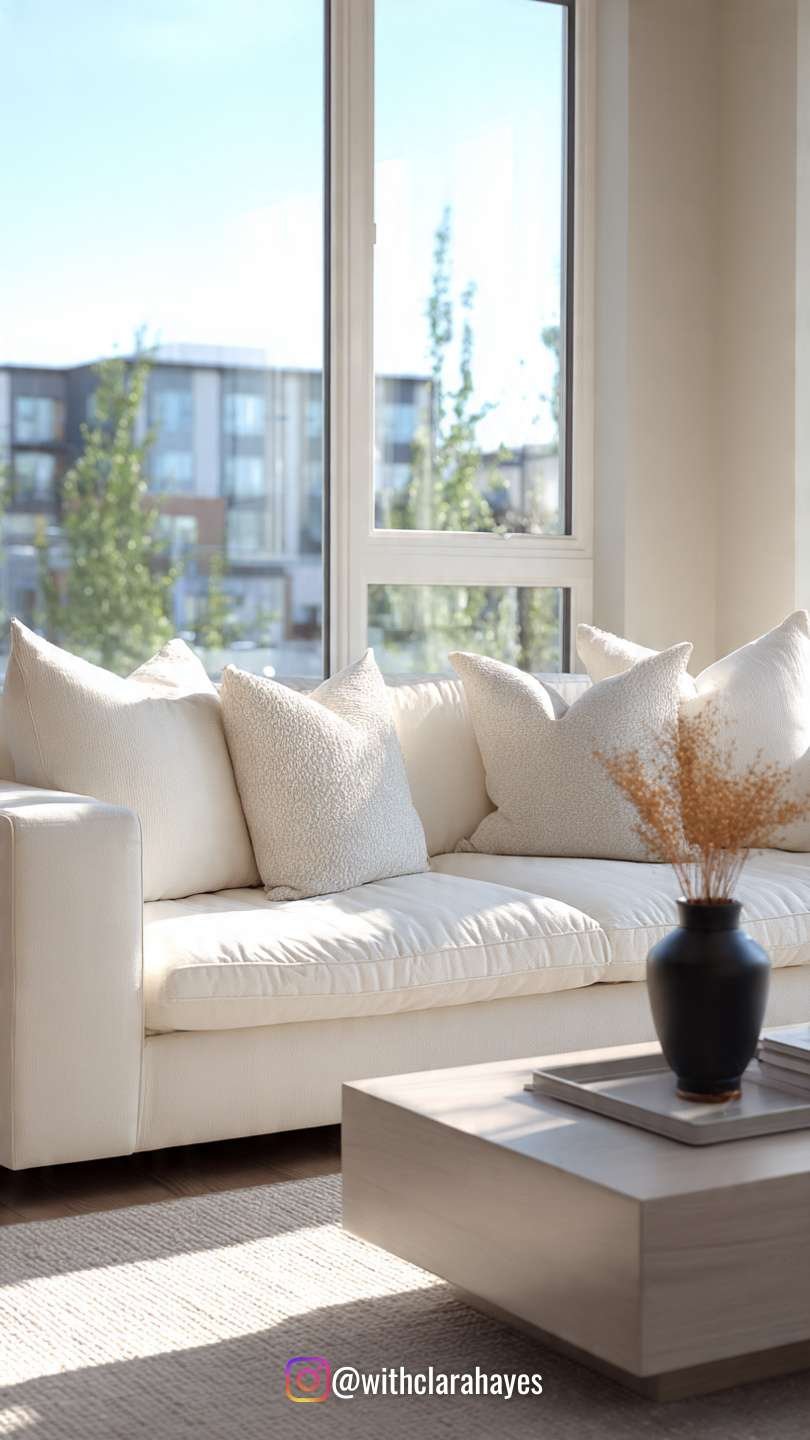
Our living room lives in soft beige, warm white, and a touch of muted wood. Early on, I kept adding “just one” contrasting color. It never looked bad — just busy.
Once I committed to one calm color family, everything settled.
Think of it like dressing yourself in neutrals. Nothing shouts, but everything belongs.
Light plays better in a simple palette too — especially in the afternoon, when the room glows instead of fighting for attention.
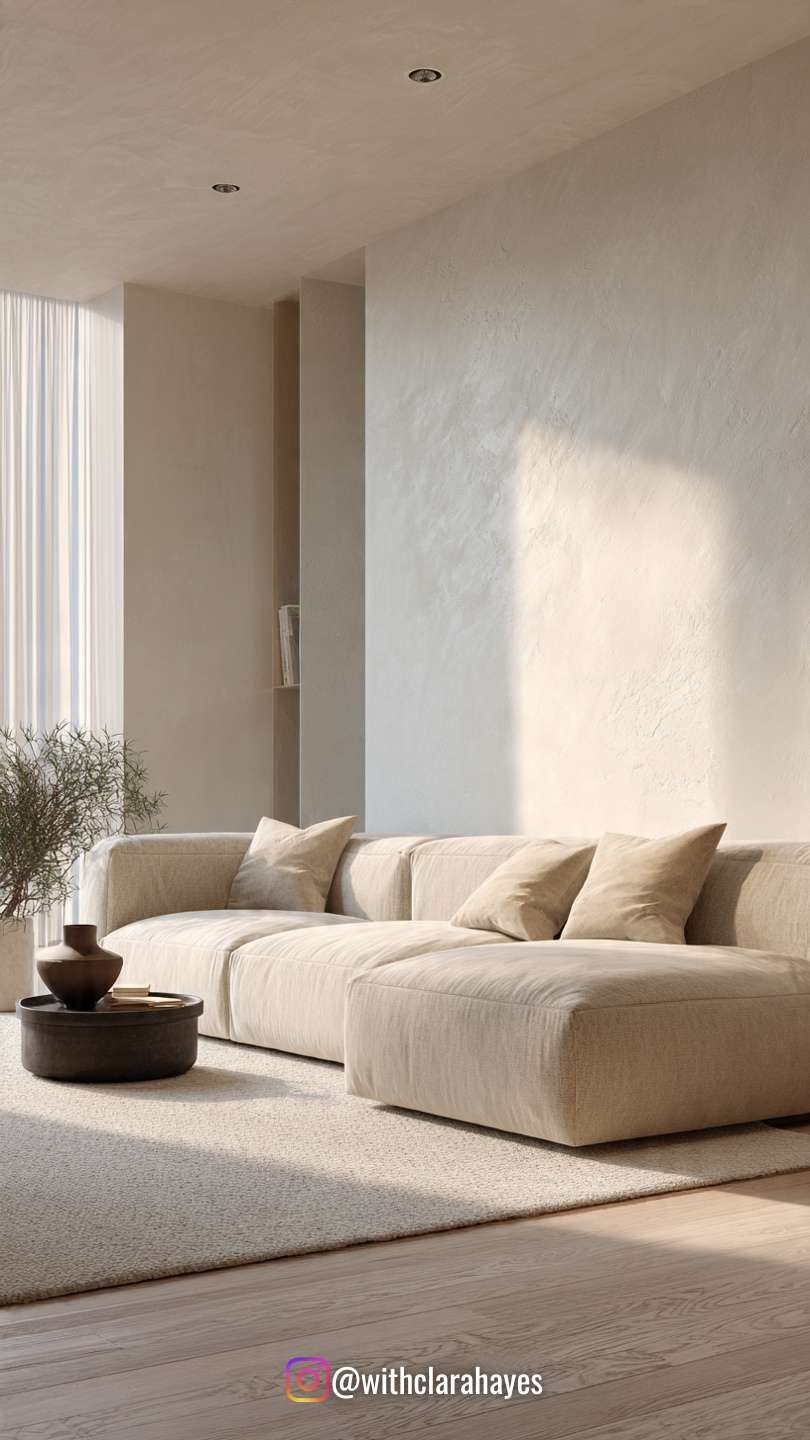
3. Let the Sofa Be the Star
I stopped trying to style around the sofa and started styling with it.
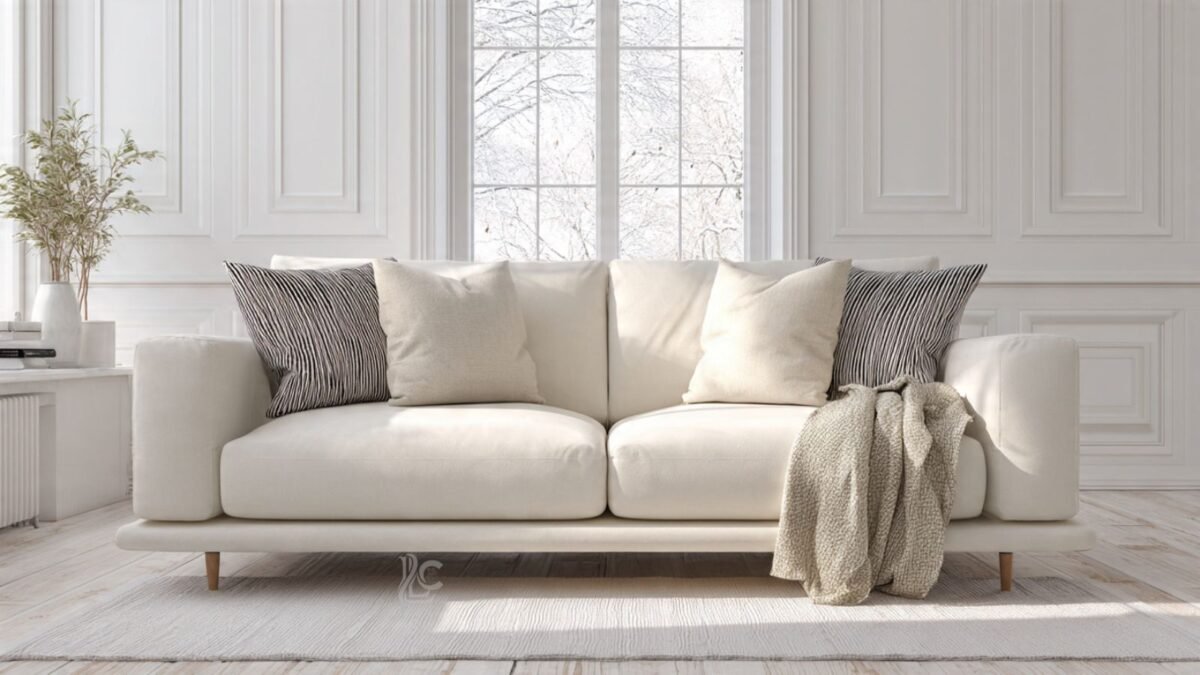
A clean-lined sofa in a natural fabric changed everything. No bold patterns, no trendy shapes. Just something comfortable enough to sink into at the end of the day.
What didn’t work: throw pillows in every shape and color.
What did: two matching cushions and one soft, slightly wrinkled throw that actually gets used.
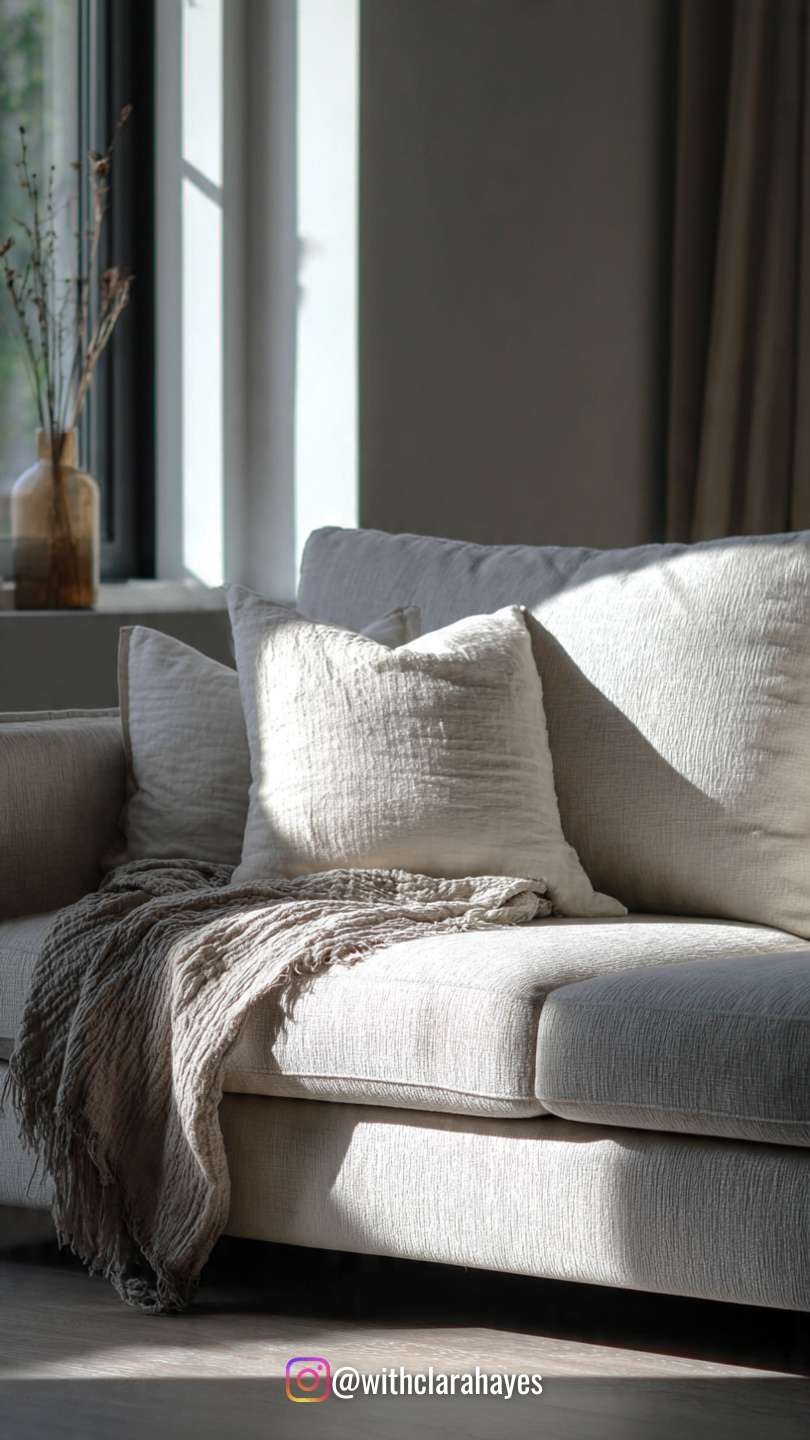
4. Empty Walls Are Not a Problem
For a long time, I felt pressure to “finish” every wall.
But the quietest wall in our living room — just soft white, catching morning light — became my favorite.
Minimalism isn’t about filling space beautifully. It’s about letting space exist.
If you do hang something, let it be intentional. One frame. One piece. Enough room around it to breathe.
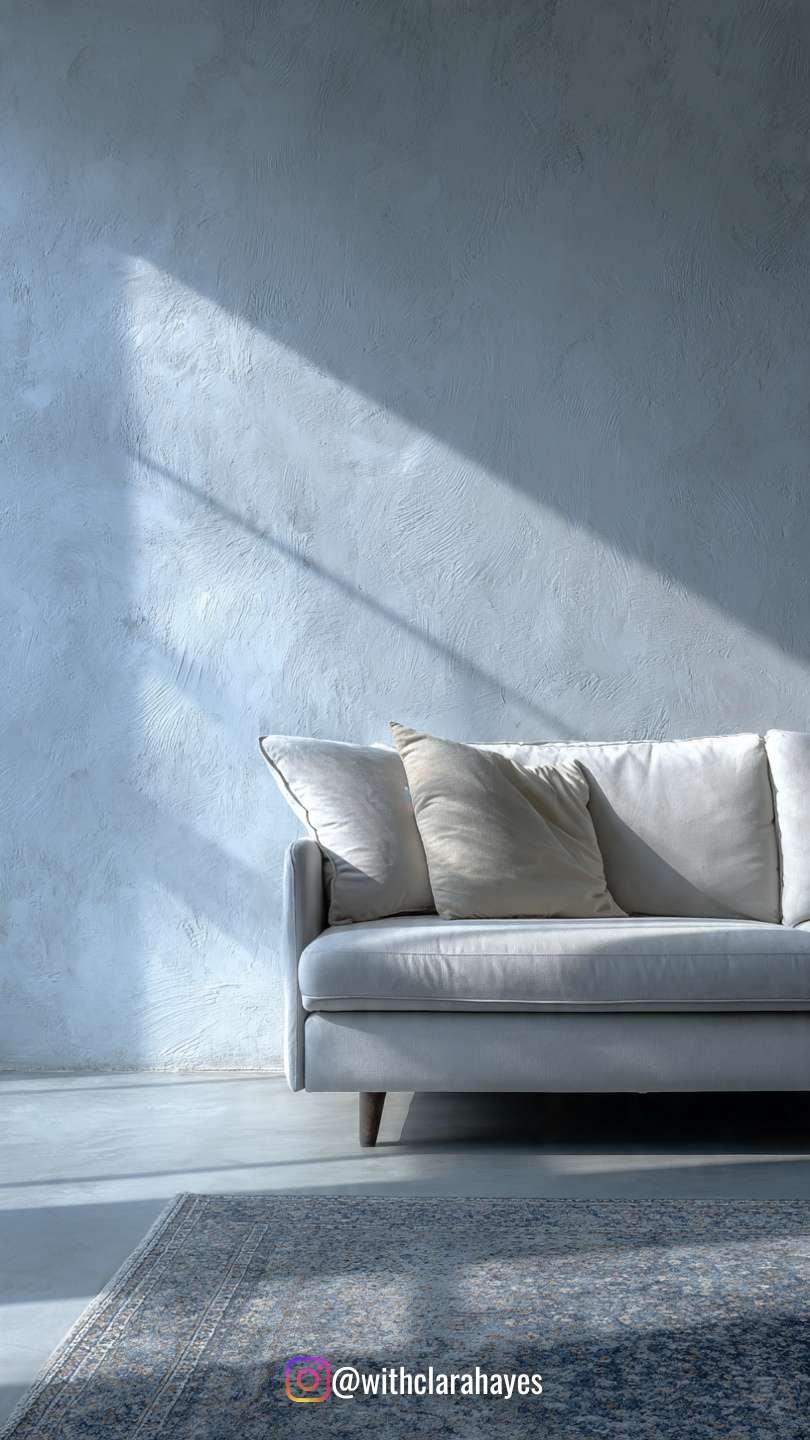
5. Hide What You Use Daily (But Keep It Close)
True minimalism failed me when I tried to hide everything.
The fix? Closed storage that lives right where we need it.
A low cabinet holds board games, extra candles, and the remote controls we use every evening. The room looks calm, but life still fits inside it.
Open baskets looked charming — until they didn’t. Closed doors saved my sanity.
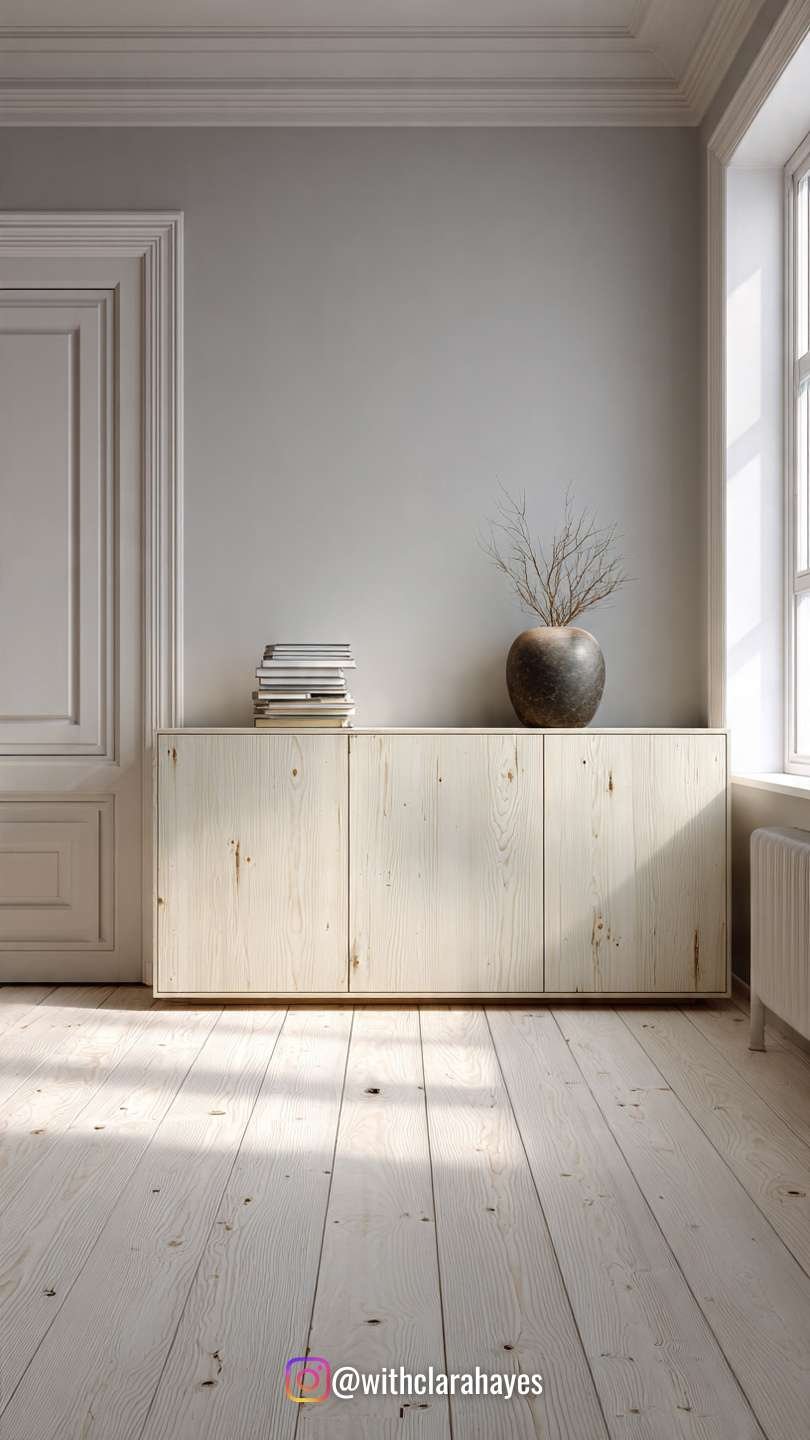
6. Bring in Texture Instead of Decor
When I stopped buying decorative objects, the room felt flat.
The answer wasn’t more things — it was better textures.
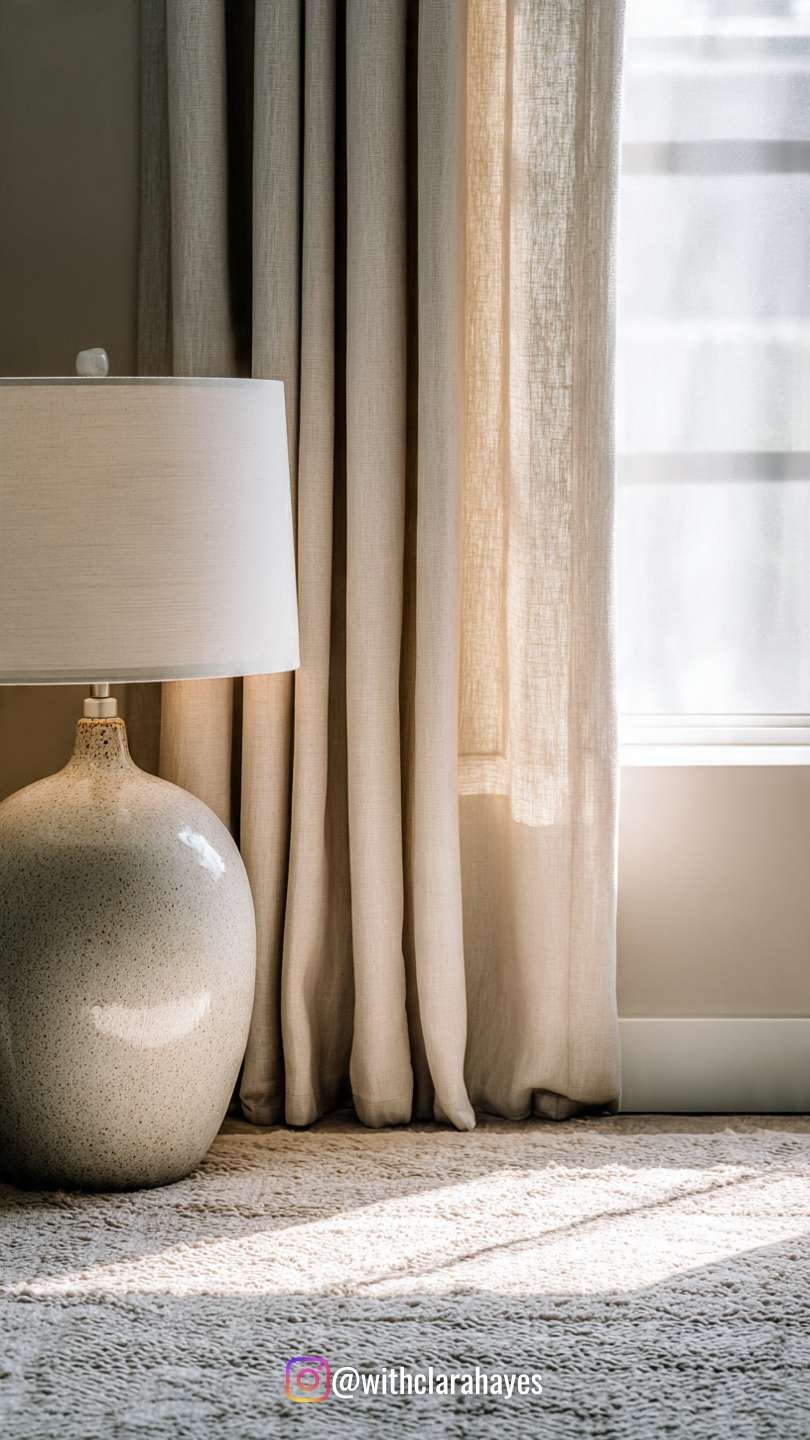
Linen curtains that move with the air. A wool rug under bare feet. A ceramic lamp base that feels cool to the touch.
Texture adds warmth without adding clutter. It makes minimalism feel lived-in, not strict.
7. Let Light Lead the Layout
I used to arrange furniture for symmetry. Now I arrange it for light.
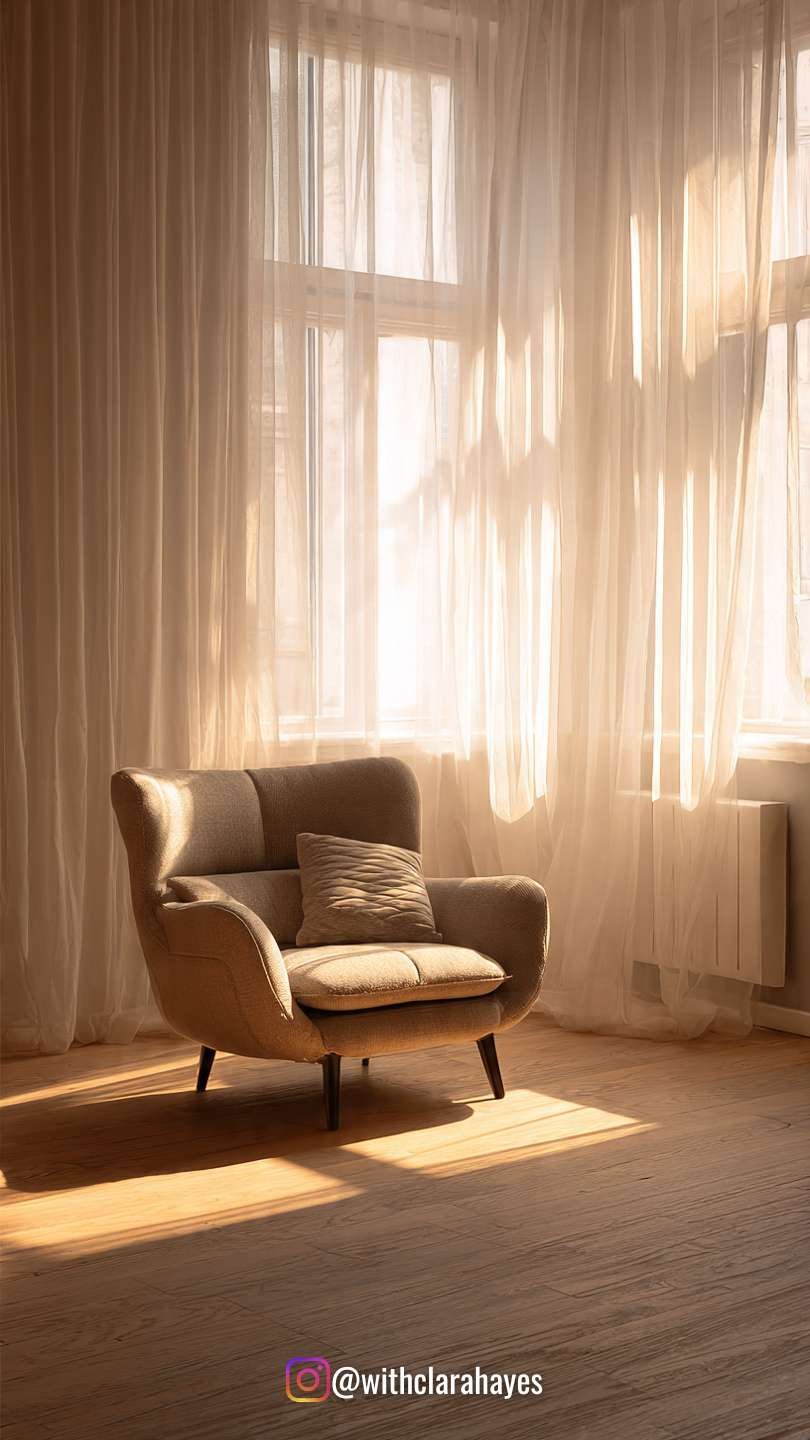
Once I moved the armchair closer to the window, the whole room changed. Mornings felt softer. Afternoons felt warmer.
Minimalist living rooms don’t need perfect layouts — they need good light and comfortable flow.
Watch where sunlight falls, then work with it.
8. Leave Space for Change
This might be the most important one.
I stopped aiming for a “finished” living room. Instead, I left a little space — physically and mentally — for life to shift.
A new season. A new habit. A new need.
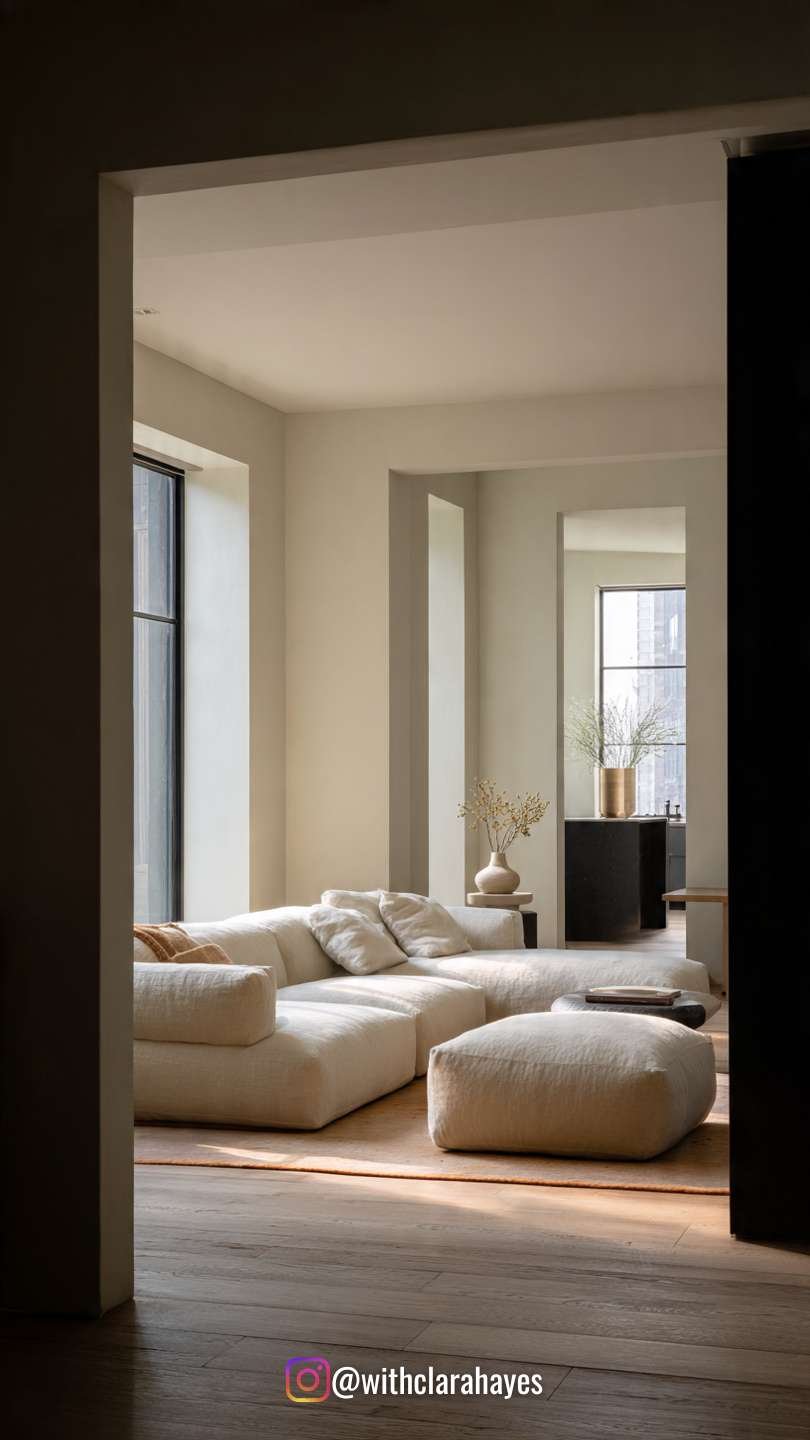
Minimalism isn’t about control. It’s about flexibility and ease.
Why Minimalism Feels Calming (When It’s Done Gently)
Minimalism didn’t make our living room prettier overnight. It made it quieter.
Quieter mornings. Quieter evenings. Less visual noise competing with conversations, rest, and presence.
Intentional living, for me, means choosing fewer things — and enjoying them more deeply.